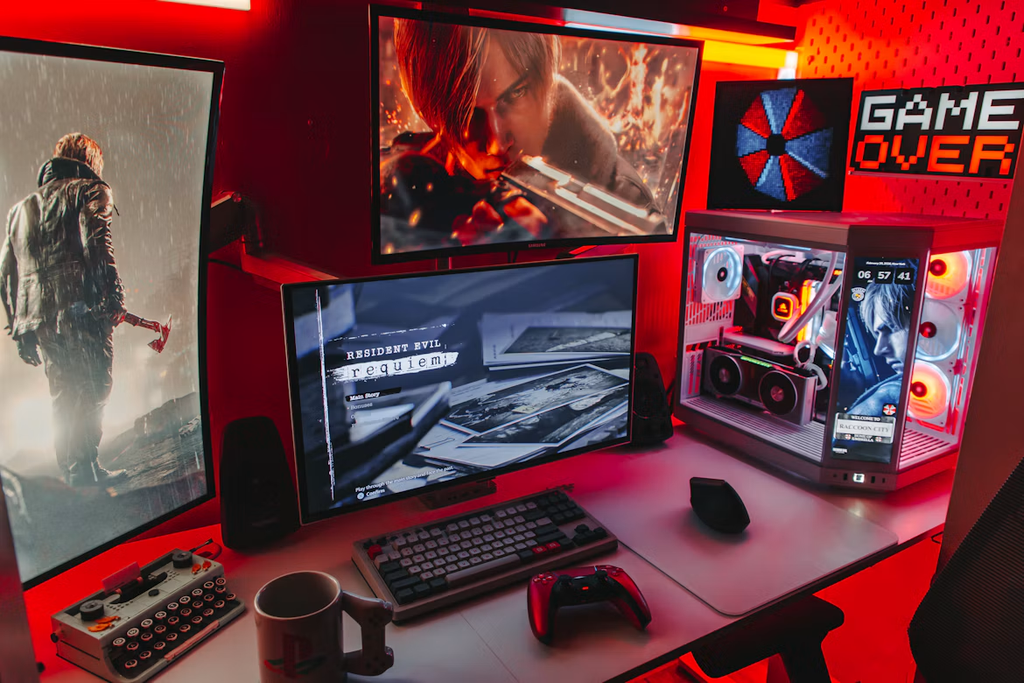
Gaming has become one of the most popular forms of entertainment, offering everything from competitive online matches to cinematic adventures and relaxing casual experiences. However, getting started can involve more than simply choosing a game. Consoles, controllers, accessories, subscriptions, and new releases all contribute to the overall cost.
For people working with a limited budget, buying a gaming console requires a little planning. The cheapest option is not always the best value, and the most expensive model may offer features that some players will rarely use. Understanding personal preferences and comparing available options can make the buying process much easier.
Decide What Kind of Games You Enjoy
Before comparing consoles, think about the types of games you actually want to play. Someone who enjoys football simulations, racing games, and competitive shooters may have different priorities from someone who prefers role-playing adventures or family-friendly titles.
Game availability is an important consideration because not every console offers the same selection. Some games are exclusive to particular platforms, while others are available across multiple systems. Checking the titles you want to play can prevent disappointment after purchasing a console.
It is also worth considering whether you prefer single-player experiences or online multiplayer. If you regularly play with friends, choosing a platform that supports their gaming preferences may make the experience more enjoyable.
Compare New and Pre-Owned Consoles
One of the easiest ways to control gaming expenses is to compare brand-new and pre-owned hardware. New consoles offer the reassurance of unused equipment and usually come with a manufacturer’s warranty. However, they can cost considerably more, especially when demand is high or a new model has recently launched.
Pre-owned consoles provide another option. A carefully checked second-hand system may deliver the same core gaming experience at a lower purchase price. This can leave more money available for games, additional controllers, or other accessories.
For example, someone interested in PlayStation gaming might search for a ps5 cheap option rather than immediately purchasing a brand-new console. Comparing available models, condition, and included accessories helps determine whether the saving represents genuine value.
The important point is to buy from a seller that provides clear product descriptions and reasonable after-sales support. A low price means little if the console develops problems shortly after purchase.
Check the Console Before Making a Purchase
Buying used technology requires more attention than purchasing something straight from a retailer. A gaming console contains several components that should work properly, so buyers should avoid making decisions based on appearance or price alone.
Here are some practical checks worth considering:
- Physical condition: Inspect the casing for cracks, loose parts, and significant damage.
- Power and startup: Make sure the console switches on and reaches its main menu without unusual errors.
- Controller functionality: Test the buttons, triggers, analogue sticks, and wireless connection.
- Storage: Check the available storage capacity and consider whether it will accommodate the games you intend to install.
- Disc drive: If buying a disc-based model, confirm that it reads and ejects discs correctly.
- Connectivity: Check Wi-Fi, HDMI output, and available USB connections where possible.
Buyers should also ask what accessories are included. A console advertised at a lower price may not come with a controller or essential cables, making the final cost higher than expected.
Remember the Cost of Games and Subscriptions
The initial console price is only part of the gaming budget. Games can represent a significant ongoing expense, particularly for players who enjoy trying new releases.
Before buying, consider whether you prefer physical copies or digital downloads. Physical games may be resold or purchased second-hand, depending on the title and platform. Digital purchases are convenient and do not require storage space for physical cases, but they are generally tied to the relevant account.
Online subscriptions also deserve attention. Some services provide multiplayer access, monthly games, cloud storage, or additional benefits. These features can be worthwhile for regular players, but subscription costs should be included in the overall budget.
A simple spending limit can help prevent gaming from becoming an expensive habit. Decide how much you are comfortable spending each month and prioritise the games you are most interested in.
Choose Accessories That Improve Your Experience
It can be tempting to purchase several accessories immediately after buying a console. However, not every extra item is necessary.
A second controller is useful for local multiplayer, while a gaming headset can improve communication during online matches. Additional storage may also be worthwhile for players who download many large games.
Start with the essentials and add accessories when a genuine need arises. This approach avoids spending money on equipment that may eventually sit unused.
It is also worth comparing compatible products before purchasing. Some accessories are designed for specific console models, so checking compatibility can prevent unnecessary returns and additional expenses.
Make Your Gaming Setup Comfortable
A good gaming experience is not determined by hardware alone. The way a console is positioned and used can also make a difference.
Place the system somewhere with adequate ventilation rather than squeezing it into a crowded cabinet. Keep cables organised, clean dust from the surrounding area, and avoid blocking ventilation openings. These simple habits help maintain a suitable operating environment.
Comfort matters too. A suitable chair, reasonable screen distance, and regular breaks can make longer gaming sessions more enjoyable. Taking time away from the screen is particularly helpful when playing for extended periods.
Enjoy Gaming Without Stretching Your Budget
Choosing a gaming console should be about finding the right balance between performance, entertainment, and affordability. A little research can help buyers avoid unnecessary expenses while still enjoying the games they love.
Compare different models, consider pre-owned options, inspect products carefully, and remember to account for accessories and subscriptions. Most importantly, choose equipment that matches your actual gaming habits rather than paying extra for features you may never use.
With a sensible approach, gaming can remain an enjoyable hobby without putting unnecessary pressure on your finances.