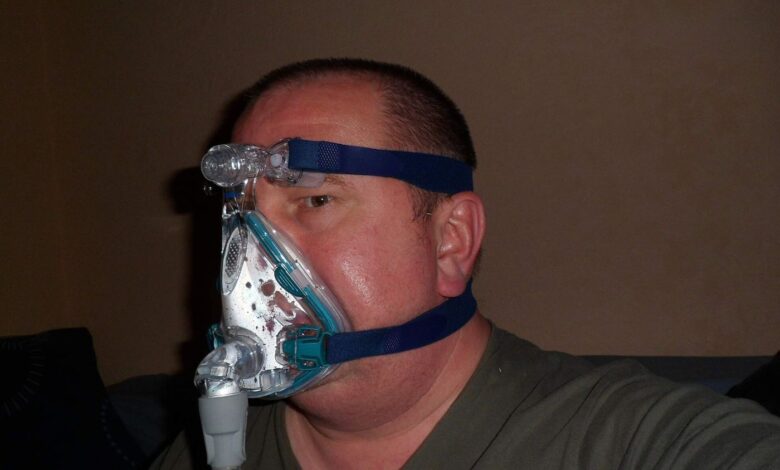
Sleep apnoea, a condition in which breathing repeatedly stops and starts during sleep, often goes undiagnosed for years, and doctors warn that the delay can harm health. The most common form, obstructive sleep apnoea, happens when the muscles in the throat relax and the airway narrows or closes, causing loud snoring, gasping and broken sleep. Because the episodes happen at night, many people do not realise they have the condition, although a partner may notice the snoring or pauses in breathing. Untreated sleep apnoea is linked to high blood pressure, heart disease, stroke and type 2 diabetes, as well as daytime sleepiness that raises the risk of road accidents and poor concentration at work. Partners are often the first to spot the problem, noticing loud snoring, pauses in breathing, or restless sleep that the person affected cannot hear themselves. Spotting it early can change everything. A simple conversation with a doctor is the first step.
What the Evidence Shows
The warning signs are worth knowing: loud and persistent snoring, waking with a dry mouth or headache, feeling unrefreshed despite a full night in bed, and falling asleep during the day. Risk is higher in people who are overweight, have a large neck, drink alcohol before bed, or have a family history of the condition, but it can affect anyone, including people who are slim. Diagnosis usually involves an overnight sleep study, either at home or in a clinic, which records breathing and oxygen levels. Treatment may include weight loss, avoiding alcohol and sleeping on the side, or a device that keeps the airway open with gentle air pressure. Anyone who recognises the symptoms should speak to their doctor, since treatment can transform sleep and energy. Left untreated, the broken sleep can also affect memory, mood and concentration, making everyday tasks harder and increasing the risk of accidents at work or on the road. Reporting and analysis from sources such as The Lancet track the same developments, and specialists following sleep apnoea say the direction is now consistent across independent lines of evidence.
The Wider Context
Equity runs through every discussion of sleep apnoea. Interventions that require apps, fees or free weekday afternoons reliably reach the people who need them least, so the programmes earning praise are those designed around clinics, workplaces and community venues that already serve everyone. Evaluation reports now publish uptake by income and region as a matter of routine.
What Happens Next
The practical takeaway on sleep apnoea is deliberately unglamorous: it works best as part of ordinary, well-delivered care rather than as a standalone fix. Health services are planning on that basis, building the referral routes and follow-up that turn a promising result into population benefit. The gains arrive slowly and then, in the statistics, unmistakably. You can follow related developments in our coverage of health.
It is also worth remembering how quickly the picture in this area has changed before. Positions that looked settled a few years ago have been revised as new data arrived, and the same humility is appropriate now. The strongest coverage of this subject, and the most useful advice, tends to come from sources that update their views openly when the facts move, rather than defending an earlier position long after it has stopped fitting the evidence available.