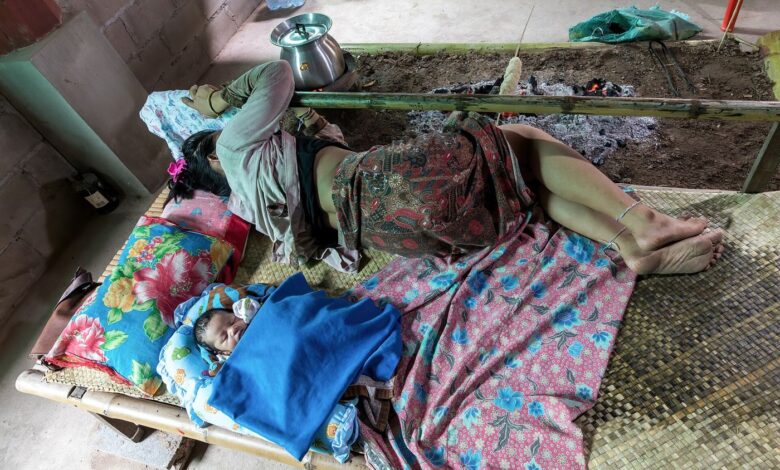
About one in three American adults regularly sleeps less than seven hours a night, according to the Centers for Disease Control and Prevention, and the consequences go far beyond feeling tired. Adults need at least seven hours of sleep, and most need seven to nine, yet work schedules, screens and stress keep millions short. Short sleep is linked to obesity, type 2 diabetes, high blood pressure, heart disease, stroke and depression, and to weaker immunity and poorer memory. A single bad night slows reaction times as much as drinking alcohol, and drowsy driving is blamed for thousands of road deaths a year in the United States. Sleep is not wasted time: while we sleep, the brain clears away waste products, consolidates memories and repairs the body, and the immune system releases proteins that fight infection. People who sleep too little also eat more, because short sleep raises the hunger hormone ghrelin and lowers leptin, the hormone that signals fullness, which is one reason poor sleep and weight gain so often go together.
What the Evidence Shows
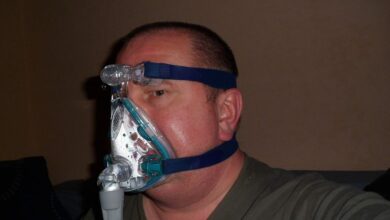
Improving sleep is mostly about routine. Experts recommend a regular bedtime and waking time, even at weekends, a cool, dark, quiet bedroom, no screens for the last hour before bed, and no caffeine after mid-afternoon. Sleep trackers and smart watches can help people see their patterns, but experts warn that obsessing over the nightly score can itself make sleep worse, a problem now sometimes called orthosomnia. Exercise helps, but not too close to bedtime, and alcohol, although it makes people drowsy, fragments sleep and should not be used as a sleeping aid. Naps can help, but they should be short and before mid-afternoon, or they will steal from the night’s sleep. Anyone who snores loudly, gasps in their sleep, or still feels exhausted after a full night should ask a doctor about sleep apnoea, a common and treatable condition in which breathing repeatedly stops during the night. Reporting and analysis from sources such as The Lancet track the same developments, and specialists following short sleep health cost say the direction is now consistent across independent lines of evidence.
The Wider Context
Equity runs through every discussion of short sleep health cost. Interventions that require apps, fees or free weekday afternoons reliably reach the people who need them least, so the programmes earning praise are those designed around clinics, workplaces and community venues that already serve everyone. Evaluation reports now publish uptake by income and region as a matter of routine.
What Happens Next
The practical takeaway on short sleep health cost is deliberately unglamorous: it works best as part of ordinary, well-delivered care rather than as a standalone fix. Health services are planning on that basis, building the referral routes and follow-up that turn a promising result into population benefit. The gains arrive slowly and then, in the statistics, unmistakably. You can follow related developments in our coverage of health.
It is also worth remembering how quickly the picture in this area has changed before. Positions that looked settled a few years ago have been revised as new data arrived, and the same humility is appropriate now. The strongest coverage of this subject, and the most useful advice, tends to come from sources that update their views openly when the facts move, rather than defending an earlier position long after it has stopped fitting the evidence available.