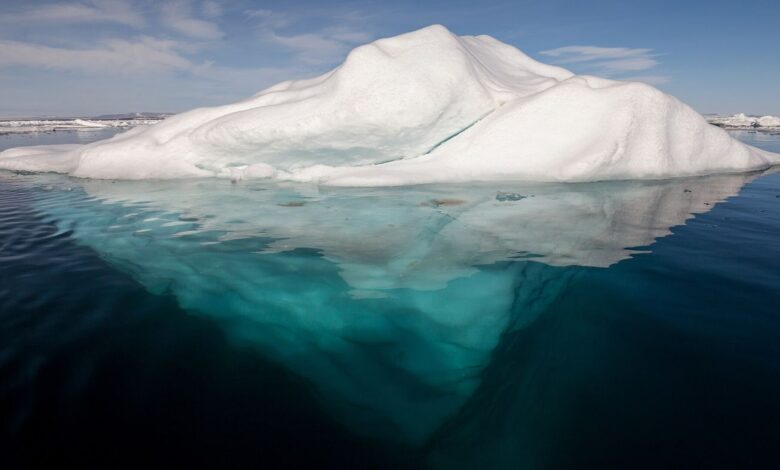
Every winter, the Arctic Ocean freezes into a vast white sheet, and every summer much of it melts away again. That seasonal rhythm has shaped life in the far north for thousands of years, giving seals places to rest and hunt, giving polar bears platforms from which to catch them, and giving algae a home on the underside of the ice. In recent decades, however, the summer ice has been shrinking, and the ice that remains is thinner and younger than it used to be. Researchers tracking the change with satellites and field measurements say the loss is reshaping the whole Arctic food web. Open water absorbs more sunlight than ice, warming the ocean further, while the timing of algal blooms shifts, affecting the tiny animals that feed fish, seabirds and whales. For Arctic communities, the change is not abstract. Thinner ice makes travel and hunting more dangerous, and the animals people have relied on for generations are moving to new grounds.
What the Evidence Shows
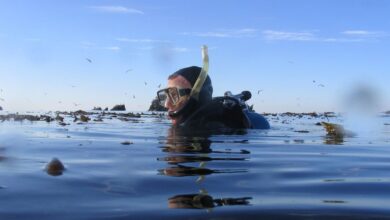
Scientists are studying the new Arctic from ships, aircraft and drifting research stations, measuring how light, temperature and nutrients move through open water compared with ice-covered seas. Early results show that some species benefit from longer ice-free seasons, while others that depend on the ice itself are losing habitat. Plankton blooms now arrive earlier in some regions, and fish that once stayed further south are appearing in northern waters, changing what is available for seabirds and marine mammals. Researchers are also tracking how the loss of reflective ice feeds back into warming, since dark water absorbs heat that bright ice would have sent back to space. The work matters beyond the Arctic, because the region influences weather patterns far to the south. Understanding exactly how fast the ice is changing, and what follows from it, has become one of the most closely watched questions in climate science. Reporting and analysis from sources such as National Science Foundation track the same developments, and specialists following the shrinking Arctic sea ice say the direction is now consistent across independent lines of evidence.
The Wider Context
The wider context is a research landscape in which replication and open data now decide reputations. Findings connected to the shrinking Arctic sea ice are being checked by independent groups with shared datasets, and the teams involved publish their methods in full so rivals can test every step. That discipline is slower than a headline cycle, but it is why results in this area increasingly survive first contact with scrutiny.
What Happens Next
What happens next in the story of the shrinking Arctic sea ice will be decided by follow-up work already under way: larger samples, longer observation and instruments that have not yet come online. The researchers involved are unusually united on one point, that the current results justify the next investment of time and money. Readers will not have to wait long for the first tests of that claim. You can follow related developments in our coverage of science.
There is a practical lesson in all of this for readers deciding what to do today. Start with the verified facts, be wary of anyone promising certainty, and prefer reversible steps while the evidence is still developing. Circumstances differ by country, income and personal situation, so general guidance should always be weighed against your own context before you act on it in any significant or lasting way.