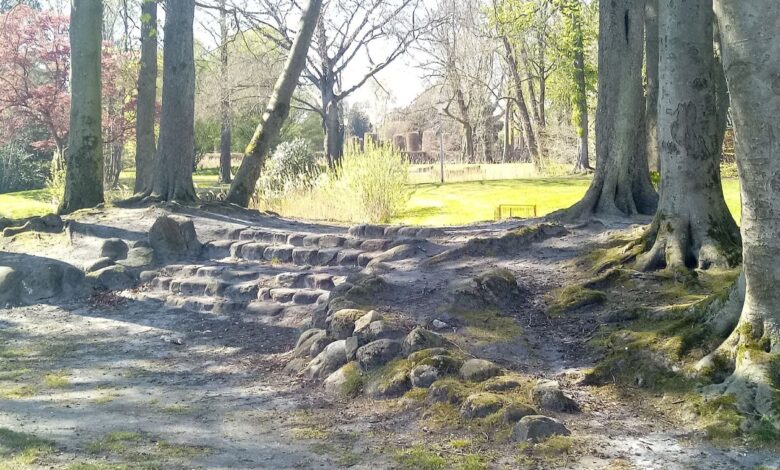
On a hot summer afternoon, the difference between a paved street and a tree-lined park can be measured in degrees, not just in comfort. Researchers placing temperature sensors across cities have found that large parks often sit several degrees cooler than surrounding streets, thanks to shade from the canopy and moisture released by leaves into the air. That cooling does not stay inside the park boundary either. Studies tracking temperatures outward from green spaces show the effect fading gradually over nearby blocks, easing heat for homes, schools and shops close by. The same trees also give city wildlife somewhere to live. Birds nest in the branches, insects feed on flowers and leaves, and small mammals move along connected green corridors that would not exist on bare concrete. For planners facing hotter summers, the evidence is shifting how parks are valued, from pleasant decoration to working infrastructure that protects public health and supports urban nature at the same time.
What the Evidence Shows
Turning that evidence into cooler neighbourhoods takes more than planting a few saplings and hoping for the best. City teams are now choosing tree species that cope with drought and polluted air, watering young trees through their first dry summers, and linking isolated parks with street trees so wildlife can travel between them. Some councils have started mapping which districts have the least canopy and planting there first, because those areas are often also the hottest and the least able to afford air conditioning. Maintenance matters too, since a neglected tree that drops limbs or blocks pavements quickly loses public support. Researchers are also testing how different park layouts perform, comparing open lawns with dense woodland and winding paths with straight ones. Early results suggest mixed planting works best, giving visitors shade, giving birds varied habitat, and keeping the cooling effect strong even as individual trees age and are replaced. Reporting and analysis from sources such as National Science Foundation track the same developments, and specialists following the cooling city parks say the direction is now consistent across independent lines of evidence.
The Wider Context
The wider context is a research landscape in which replication and open data now decide reputations. Findings connected to the cooling city parks are being checked by independent groups with shared datasets, and the teams involved publish their methods in full so rivals can test every step. That discipline is slower than a headline cycle, but it is why results in this area increasingly survive first contact with scrutiny.
What Happens Next
What happens next in the story of the cooling city parks will be decided by follow-up work already under way: larger samples, longer observation and instruments that have not yet come online. The researchers involved are unusually united on one point, that the current results justify the next investment of time and money. Readers will not have to wait long for the first tests of that claim. You can follow related developments in our coverage of science.
There is a practical lesson in all of this for readers deciding what to do today. Start with the verified facts, be wary of anyone promising certainty, and prefer reversible steps while the evidence is still developing. Circumstances differ by country, income and personal situation, so general guidance should always be weighed against your own context before you act on it in any significant or lasting way.