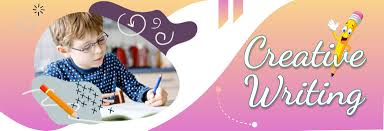
If your child enjoys spinning stories, sketching comics, or scribbling thoughts in a notebook, you may be wondering whether a kids writing workshop could be the right step forward. With more parents exploring after-school and weekend learning options, writing programs have become a go-to for those looking to boost their child’s literacy in an enjoyable, creative way.
One great option is enrolling your child in weekend creative writing workshops for children. These programs offer a flexible and enriching way for kids to explore storytelling without adding pressure to their schoolweek. When guided well, a workshop becomes more than just a writing class — it’s a space where children can develop confidence, find their voice, and even start loving the written word.
This article walks you through what a kids writing workshop typically involves, how it can benefit your child, and how to decide if it’s the right fit for their personality and schedule.
What Is a Kids Writing Workshop?
At its heart, a kids writing workshop is a creative space designed to help children explore language, storytelling, and self-expression. These workshops are built to be playful yet structured — a blend that helps kids learn without feeling like they’re back in class.
Typical Structure and Activities
Workshops usually run for one to two hours and are packed with engaging activities. Your child might explore short stories, poetry, journaling, or imaginative writing prompts. Sessions often include games, group sharing, and individual writing time — keeping the vibe fun and collaborative.
Some programs are themed around topics like adventure, mystery, or nature, which makes each session feel like a fresh challenge and keeps your child looking forward to what’s next.
Who Facilitates Kids Writing Workshops?
Experienced teachers, authors, or literacy specialists often lead these programs. Their job isn’t just to correct grammar — it’s to guide, inspire, and support children as they learn to organize their thoughts and express them clearly. A good workshop leader can spark joy in writing, even for kids who may be hesitant at first.
Before we explore the deeper benefits, keep in mind that these workshops are as much about emotional growth as they are about academic support.
Key Benefits of Kids Writing Workshop Programs
When writing becomes an enjoyable routine, it often leads to stronger literacy, better communication, and more confidence. That’s where a kids writing workshop truly shines — offering a well-rounded boost to both academic and personal growth.
Building Creative and Academic Skills
Workshops provide a space to develop storytelling, sentence structure, and vocabulary in ways that don’t feel like homework. Kids can experiment, make mistakes, and try again — all while gaining valuable writing experience. These sessions naturally support school goals without replicating the classroom environment.
When a child starts seeing themselves as a writer, even at a young age, it often improves their reading comprehension and critical thinking too.
Boosting Confidence and Communication
One of the greatest benefits of a kids writing workshop is what it does for your child’s confidence. Sharing their stories aloud or receiving gentle feedback shows children that their ideas have value. Over time, this builds a stronger sense of self and helps kids become more open, expressive communicators — both on paper and in conversation.
Even shy or reserved children often find their voice in these safe, encouraging settings.
Supporting School Curriculum and Enrichment
If your child struggles to keep up with writing tasks at school or feels unchallenged by them, weekend workshops can offer the right kind of stretch. They reinforce key writing skills, but also introduce new formats — like script writing, poetry, or personal narratives — that may not appear in a typical curriculum.
Now that we’ve covered what your child could gain, let’s explore how to tell if they’re ready for this kind of program.
Is a Weekend Kids Writing Workshop the Right Fit for Your Child?
Choosing the right enrichment program can feel like a puzzle — especially when weekends are already busy. Here’s how to determine whether a kids writing workshop will complement your child’s learning style and energy levels.
Assessing Your Child’s Interests and Learning Style
Does your child light up when telling stories or inventing characters? Or do they avoid writing altogether? Sometimes, even reluctant writers are simply waiting for a fun, pressure-free space to explore their ideas. If your child enjoys creating — whether through words, pictures, or play — they may thrive in a setting that encourages imaginative expression.
Also, consider whether they prefer group settings or individual focus. Workshops are often social, so some comfort with interaction is helpful.
Considering Schedule and Commitment
The best programs make learning feel rewarding, not overwhelming. Choose a time and format that fits your child’s energy and family routine. Weekend options can be ideal, offering a creative outlet that doesn’t clash with schoolwork or weekday fatigue.
Some workshops offer trial sessions or flexible enrolment — which can be a good way to start without long-term pressure.
Signs Your Child Will Benefit from a Workshop
Your child might be ready if:
- They enjoy storytelling but hesitate to write on their own
- They want more freedom than school assignments allow
- They struggle with writing confidence or structure
- They ask for more fun, “non-boring” ways to learn
- They show early signs of strong imagination or curiosity
Noticing just one of these signs could be a clue that your child is ready to try something new and empowering.
How to Choose the Best Kids Writing Workshop
There’s a wide range of writing workshops out there, but not all are created equal. The right kids writing workshop will match your child’s age, interests, and comfort level while offering consistent support from caring instructors.
What to Look for in Instructors and Curriculum
Prioritize programs led by educators or writers with experience working with children. A strong curriculum balances creativity and structure — offering open-ended prompts, peer sharing, and real writing time. Avoid workshops that feel overly academic or rigid. The goal is to encourage free thinking, not just grammar perfection.
Check if the workshop encourages children to revise, reflect, and build on their writing over time.
Evaluating Program Format: In-Person vs. Online
Online kids writing workshops can offer more flexibility — especially for families balancing multiple weekend commitments. In-person sessions may offer more hands-on engagement and opportunities for face-to-face interaction.
Consider your child’s attention span, comfort with screen time, and energy levels when comparing formats.
Reading Reviews and Gathering Recommendations
Talk to other parents or teachers, and read program testimonials when possible. The best endorsements often come from families who’ve seen a transformation in their child’s writing interest or self-esteem. Don’t hesitate to ask programs for trial access or sample materials before signing up.
As we wrap up, let’s quickly revisit what you’ve learned and how to take the next step with confidence.
Conclusion
A kids writing workshop can offer far more than just extra writing practice — it’s a chance for your child to explore their voice, connect with peers, and grow in confidence. When choosing a program, think about your child’s learning style, their schedule, and what kind of environment will make them feel most supported. The right workshop can make writing something your child truly looks forward to.
If your child has a story to tell — even if they’re not sure how to write it yet — a workshop could be the spark they need. Take that first step by exploring programs that meet them where they are.
Want to help your child master the art of writing? Discover how the FunFox Writers Club can build strong writing habits, boost literacy, and make writing fun!