Which Sydney Suburbs Have the Dirtiest Carpets? Data Insights on Lifestyle and Environmental Factors

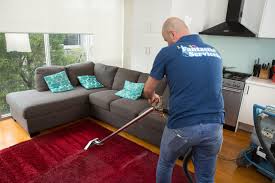
Your carpet is a fairly accurate record of everywhere you’ve been in the last six months. In Sydney, that usually means a mix of coastal sand, backyard mud, or a surprising amount of city soot.
Sydney’s suburbs are wildly different in character, lifestyle, and yes, carpet cleanliness. Some neighbourhoods are winning the floor hygiene game, and others… aren’t.
So, want to know where yours lands in these ranks? Continue reading this comprehensive guide to find out!
Coastal Suburbs: Sand, Salt, and Stubborn Grit
Suburbs like Bondi, Manly, and Cronulla are gorgeous, but they’re absolutely brutal on carpets. Sand seems harmless enough until it settles into carpet fibres and starts grinding away like tiny sandpaper.
Salt air adds another layer of trouble. It clings to everything, especially fabric surfaces, leaving behind a sticky residue that attracts more dirt over time.
If you live near the coast and your carpet hasn’t been professionally cleaned in a while, it’s probably holding onto more sand and grime than you realise.
Add in the constant foot traffic from beach towels, wetsuits, and sandy dogs, and you’ve got a recipe for some seriously unhappy flooring.
Inner-City Suburbs: Pollution, Foot Traffic, and Takeaway Spills
Areas like Surry Hills, Newtown, and Redfern are vibrant, dense, and full of life—great for the neighbourhood, but not always great for carpets.
More people coming and going means more dirt from the footpath ending up on the carpet. And when you’re living in a smaller space, one knocked-over takeaway or coffee can suddenly become a whole-room problem.
And as if the foot traffic wasn’t enough, urban pollution adds another layer of buildup. You might not see them, but those tiny particles will settle into your carpet fibres and slowly accumulate over time.
They’re invisible and don’t smell, but they can build up into a grey undertone that no amount of regular vacuuming will shift.
The café and restaurant culture doesn’t help either. Food deliveries, cooking smells, and the occasional Friday night glass of red can all leave their mark.
Western Suburbs: Dust, Pollen, and Larger Family Homes
If you’ve ever moved a couch in a western suburbs home and immediately regretted it, you already know what we’re talking about.
Suburbs like Parramatta, Penrith, and Blacktown sit further from the coast, which means no salt air, but dust and airborne pollen levels are noticeably higher, especially through spring and summer when Sydney’s west runs hot and dry.
Larger homes come with larger carpeted areas, and those open-plan layouts give airborne particles more room to settle and stay. Couple that with the reality of busy family households, and the carpet ends up absorbing far more than a weekly vacuum can address.
Northern Suburbs: Tree Canopy, Mould, and Hidden Moisture
The lush northern suburbs—Pymble, Gordon, Turramurra—look pristine on the surface. But all that tree cover comes with a trade-off: shade and the persistent dampness that follows it.
If your home doesn’t get much direct sunlight or airflow, moisture will work its way into your carpet backing and stay there.
You won’t necessarily smell it straight away or see any visible signs, but over time, that trapped dampness will create exactly the right conditions for mould to grow in record time.
By the time that musty smell becomes noticeable, you’ll find that the problem has probably been developing for months.
Upper North Shore: The Quietly Clean Outlier
Killara, Lindfield, and Roseville close out the ranking on a more reassuring note. Lower population density means less foot traffic coming through the door, and the larger, well-ventilated homes give moisture and airborne particles far less opportunity to settle.
That doesn’t mean these carpets are off the hook entirely. Established gardens bring pollen, and anyone with a dog knows that a muddy Labrador doesn’t care about your clean floors.
But without the salt air, heavy pollution, or overcrowding that affects other parts of Sydney, carpets in these suburbs genuinely do hold up better between cleaning sessions.
Just don’t let ‘cleaner than average’ become an excuse to skip maintenance altogether. Even the best-kept homes in Sydney’s quietest suburbs eventually need a proper deep clean.
Additional Factors That Affect Carpet Cleanliness
Your suburb sets the conditions, but your household will determine how quickly those fibres deteriorate. The following factors show up across every part of Sydney, and they make a real difference regardless of your postcode:
- Pets. Fur, dander, and the occasional accident create compounding hygiene problems over time
- Children. From arts and crafts to snack spills and outdoor dirt, a lot of it ends up on the carpet.
- High foot traffic. Entry points and hallways absorb the worst of it every single day
- Poor ventilation. It traps humidity and gives bacteria and mould exactly the conditions they need to grow.
- Delayed cleaning. The longer a stain or buildup sits, the deeper it embeds and the harder it becomes to shift
The environmental conditions of your suburb will amplify or reduce how severe these factors become, but none of them goes away on their own.
How Often Should You Actually Clean Your Carpets?
Regular vacuuming should cover the surface, but that’s about where its usefulness ends. Bacteria, dust mites, salt residue, and mould spores sit well below the pile—untouched by even the most enthusiastic hoovering session.
If you’re searching for professional carpet cleaning in Sydney, a deep extraction session is the only way to actually reset things below the surface.
How often you need one depends heavily on where in Sydney you live. Here’s a suburb-by-suburb breakdown.
Coastal Suburbs
Aim for a clean every three to six months. Salt and sand do structural damage to carpet fibres that no vacuum can reverse, and it happens faster than most people expect.
Inner-City Suburbs
Six to nine months is the realistic window here. Pollution particles and foot traffic build a grey, grimy layer deep in the pile long before it becomes visible. By the time your carpet looks dirty in Surry Hills or Newtown, it’s been dirty for a while.
Western Suburbs
For smaller households, nine to twelve months works. If you’ve got kids, pets, or both, pull that back to every six months. Dust and pollen accumulation out west is higher than most families account for, and larger homes mean there’s simply more carpet absorbing all of it.
Northern Suburbs
Six to nine months, with close attention to the winter months when moisture becomes a real issue. Dampness trapped in carpet backing doesn’t need long to turn into a mould problem, and by the time you notice a smell, it’s already been developing for months.
Upper North Shore
Twelve months is genuinely sufficient for most households here. If you have an established garden and a dog, nine months is the smarter call.
Conclusion
Whether you’re shaking Bondi sand out of your fibres or dealing with a season’s worth of Parramatta dust, every Sydney suburb leaves its mark on your carpet in its own special way. The environment here is genuinely tough on flooring, but none of it is permanent.
So, call those professionals, and enjoy walking through your own home without wondering what’s crunching underfoot.