Orthodontic treatment often focuses on how teeth look once the appliances come off. Less attention is given to what happens years later. Yet long-term stability has become a growing concern among professionals, especially as more adults return for retreatment. When outcomes are reviewed over five years or more, the comparison between clear braces and aligner systems takes on a different tone.
Rather than comfort or appearance, the key question becomes this: which method supports lasting tooth position?
Why Retention Now Matters More Than Ever
Retention has always been part of orthodontic care, but its role has become more visible. Many patients complete aligner treatment only to notice gradual shifting months or years later. In some cases, this leads to further treatment.
Clear braces have entered this discussion not as a trend, but as a response to relapse concerns. Their fixed nature allows orthodontists to guide teeth with steady force, which can support stronger foundations for long-term hold.
This does not mean one method suits everyone. It means outcomes depend on how teeth move and settle over time.
How Teeth Move And Settle Biologically
Tooth movement relies on bone change. When force is applied, bone reshapes around the tooth root. If movement happens too quickly or without enough control, the surrounding support may not adapt fully.
Clear braces apply constant, measured pressure. This helps roots move with the crown, rather than tipping alone. Over time, this balanced movement can support better settling once appliances are removed.
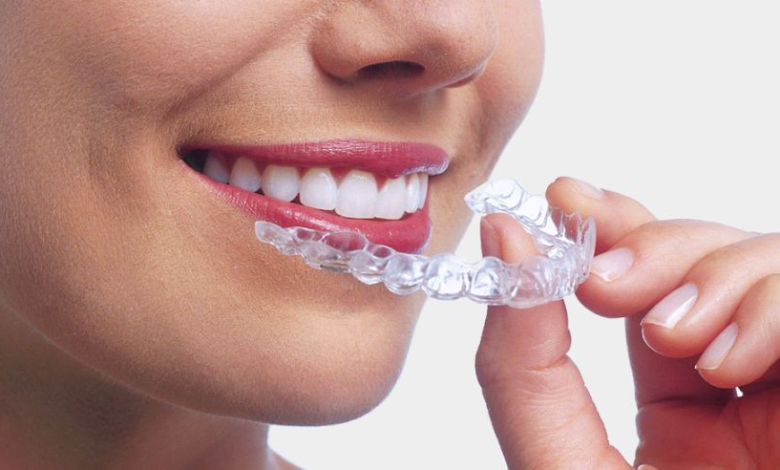
Aligners work in steps. Each tray applies a set movement before the next is introduced. While effective in many cases, this stepwise method may struggle with movements that need close guidance, such as rotation or vertical shift.
Where Aligners Face Limits
Aligners depend on wear time. Even small gaps in daily use can affect progress. Over months, this can lead to uneven movement that requires correction later.
Certain cases also place a greater demand on mechanics. Deep bite patterns, rotated teeth, or narrow arches often need forces that aligners cannot deliver alone. In these situations, clear braces may offer more control.
This difference becomes clear when five-year outcomes are reviewed. Cases treated with fixed systems often show less drift when retention plans are followed properly.
The Role Of Fixed Appliances In Stability
Clear braces remain in place throughout treatment. This removes the variable of daily compliance and allows for fine adjustments as teeth respond. Orthodontists can guide movement with detail that is difficult to achieve with removable trays alone.
This level of control can reduce the need for later correction. Teeth that are placed accurately within the arch tend to remain more stable after treatment ends.
Some clinics, including practices such as Textbook Orthodontics, discuss these mechanics openly when advising adult patients. The aim is not to favour one system, but to match method to movement.
Retention Is Not The Same For Every Case
Even with clear braces, retention planning matters. Fixed or removable retainers support teeth as bone continues to adapt. The difference lies in how well the teeth were positioned before retention began.
When clear braces guide roots into balanced positions, retainers often have less work to do. In contrast, teeth that were tipped into place may rely heavily on long-term retention to hold results.
This distinction helps explain why some aligner-only cases need ongoing adjustments years later.
Questions Patients Should Ask Before Choosing
Patients benefit from asking how stability will be sustained, not just how treatment will look. Useful questions include how their bite will be guided, what movements are planned, and how retention will be managed over time.
Clear braces may be suggested when long-term hold is a priority, especially in cases with complex movement. Aligners may still suit mild alignment needs where relapse risk is lower.
The choice works best when based on clinical need rather than preference alone.
Five-Year Outcomes Tell A Quieter Story
When orthodontists review results over five years, patterns emerge. Clear braces often show steady outcomes in cases that demand close control. Aligner cases can also succeed, but may show higher rates of retreatment when used beyond their ideal scope.
These findings are not always shared widely, yet they shape how many professionals plan care today.
Final Thoughts
Clear braces and aligners both have a place in modern orthodontics. The difference becomes clearer when long-term stability is the measure. Fixed systems can offer consistent control that supports lasting results in certain cases. As retention concerns grow, patients and clinicians alike are looking beyond short-term comfort toward outcomes that hold over time.