
The Rise of “Visual Sincerity”: Why 2026 Real Estate Demands Flaws, Not Filters

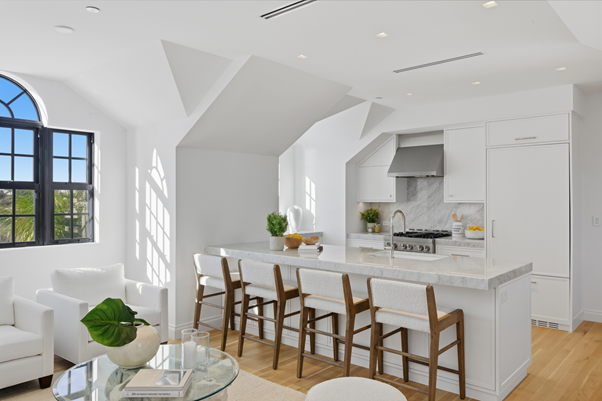
A few years ago, perfect real estate photos felt impressive. Bright whites, glowing windows, flawless skies, everything looked polished and clean. But by the end of 2025, something changed. Buyers stopped trusting images that looked too perfect. Listings began to feel artificial, repetitive, and oddly empty.
We’re now seeing a clear shift toward visual sincerity. Buyers want images that feel real, lived-in, and honest. They want to see texture, natural light, and even small imperfections. This doesn’t mean poor-quality photos, it means realistic ones. And this is where AI real estate photo editing is evolving in a smarter, more restrained direction.
The Problem With “Too Perfect” Images
After the explosion of AI-generated and over-processed photos, buyers learned how to spot what doesn’t feel real. Ultra-smooth walls, glowing windows that ignore physics, and shadows that don’t belong in the space all create doubt.
When images feel synthetic, buyers assume the property is hiding something. Instead of inviting curiosity, these photos raise questions. That’s the opposite of what listing images are meant to do.
In 2026, the goal isn’t perfection. It’s believable.
Visual Sincerity: What Buyers Respond to Now
Visual sincerity is about showing a space as it actually feels when you’re standing inside it. Not flat. Not exaggerated. Just honest.
Buyers respond to:
- Natural shadows that show depth
- Visible textures like wood grain and stone
- Light that feels warm or cool based on the time of day
- Windows that look bright, but not fake
This is where modern AI real estate photo editing plays a key role, not by replacing reality, but by restoring balance.
Using HDR to Highlight Texture, Not Erase It
HDR often gets blamed for unrealistic photos, but the issue isn’t HDR itself. It’s how it’s used.
Good HDR work doesn’t smooth everything into a soft blur. It brings out what the human eye naturally notices:
- The roughness of stone
- The grain in hardwood floors
- The way light falls across a wall
Instead of flattening contrast, HDR should protect it. When done right, HDR makes a space feel dimensional and grounded.
This is where real estate photo editing has matured. The focus is no longer on pushing sliders to extremes, but on preserving atmosphere.
Atmospheric Storytelling Through Light
Every home has a mood. Morning light feels different from evening light. A living room with warm lamps should not look the same as one filled with daylight.
Atmospheric storytelling means letting light behave honestly:
- Warm interior lights stay warm
- Exterior light stays cool when appropriate
- Shadows remain where they belong
This approach builds trust. Buyers feel like they understand the space before they visit it. That emotional connection matters more than ever.
Core Image Editing That Supports Realism
To achieve this balance, editing must focus on fundamentals, not gimmicks. Strong AI real estate photo editing workflows handle the essentials consistently and accurately.
Core image editing includes:
- Placing a natural-looking sky without overpowering the scene
- Masking windows carefully so outdoor light feels real
- Correct white balance that reflects actual lighting conditions
- Removing the camera and tripod without damaging textures
- Straightening images so lines feel stable and professional
These steps improve clarity without changing the truth of the space.
Add-Ons That Enhance, Not Distract
Add-ons should support the story, not rewrite it. When used selectively, they help buyers visualize potential without feeling misled.
Useful add-ons include:
- Virtual twilight to show evening mood while keeping lighting realistic
- Grass greening that reflects seasonal care, not artificial neon lawns
- Virtual staging used sparingly to suggest scale and layout
These enhancements work best when they feel optional, not mandatory.
Manual Sorting vs Automatic HDR Editing
It’s important to separate two very different tasks:
- Manual sorting is simply organizing images. It has nothing to do with merging exposures.
- Automatic HDR editing is about balancing light, tone, and contrast across bracketed shots.
Confusing the two leads to inefficiency. When HDR processing is automated properly, editors can focus on visual decisions instead of repetitive technical work. This is where AI real estate photo editor tools bring real value.
Cost Efficiency Without Cutting Corners
There’s a myth that realistic editing costs more. In reality, automated HDR workflows make high-quality editing more accessible. Pricing can be as low as 40 cents per image, not truly 40 cents, but close enough to be practical at scale.
This allows photographers and agencies to maintain honesty in visuals without sacrificing speed or margins.
Why This Matters in 2026
Buyers are smarter. They scroll faster. And they trust visuals less than they used to. The listings that stand out are the ones that feel human.
By using AI real estate photo editing to support realism instead of replacing it, platforms create images that feel believable, inviting, and trustworthy. That’s what drives clicks, showings, and offers now.
At AutoHDR, this philosophy shapes how editing should work in the years ahead, not louder, not flashier, just more honest.
