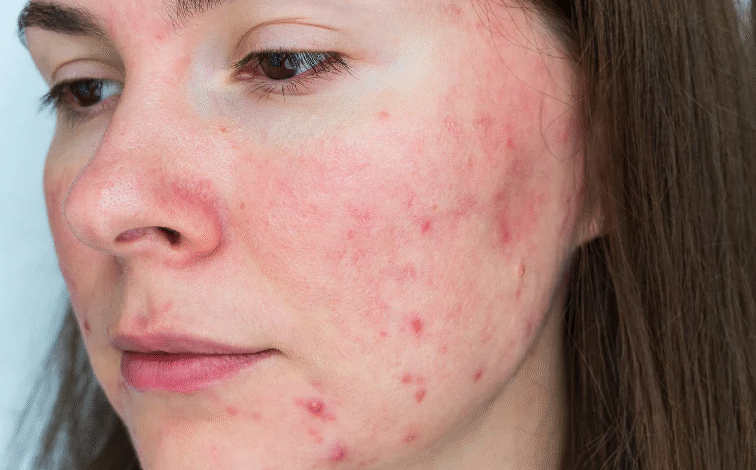
The skin is the largest organ of the human body, and it has one crucial role—protection. One of the most important layers responsible for this protection is the skin barrier, also called the stratum corneum. This outer layer keeps moisture in and harmful irritants out. When the skin barrier is healthy, it maintains hydration, shields against pollution, and reduces sensitivity. But when it becomes damaged—especially from something as common as over-exfoliation—it can lead to redness, dryness, irritation, and breakouts. Understanding how long skin barrier repair take after over-exfoliation is an essential part of maintaining good skin health. Recovery time depends on many factors, including the severity of the damage, the products you use, and your overall skincare routine.
Exfoliation is important because it helps remove dead skin cells, unclog pores, and improve skin texture. However, overdoing it can strip away the protective oils and weaken the barrier. Many people, in pursuit of smooth and glowing skin, end up exfoliating too often or with products that are too harsh. This creates tiny cracks in the barrier that allow irritants, bacteria, and allergens to penetrate more easily, which causes discomfort. When this happens, the healing journey becomes a process of patience, consistency, and care.
Understanding the Skin Barrier and How Over-Exfoliation Damages It
To understand how long skin barrier repair take after over-exfoliation, it’s important to know what the barrier is made of and how it functions. The skin barrier consists of corneocytes (skin cells) and lipids (fats), which together form a protective shield. Dermatologists often describe this as a “brick-and-mortar” system: the skin cells are like bricks, and the lipids are like mortar holding them together. This shield prevents water loss while protecting the skin from bacteria, pollution, and environmental stressors.
Exfoliation, when done correctly, helps clear away dead cells and allows new ones to surface. But when the process is too frequent or aggressive, it removes more than just dead cells—it strips away healthy skin and lipids, leaving the protective structure weakened. This damage is often seen as tightness, stinging, redness, or even burning sensations. Over-exfoliation can also trigger breakouts, since the skin responds by producing excess oil to compensate for the loss of moisture.
When the barrier is injured, the natural healing process begins, but it’s not instant. Just like a wound on the body, the skin needs time to repair itself. During this time, the skin produces new cells and restores lost lipids. This explains why patience is necessary when waiting for results after damage. By avoiding further irritation and using supportive products, the healing process becomes faster and more effective.
How Long Skin Barrier Repair Take After Over-Exfoliation
The most common question people ask is how long skin barrier repair take when it has been damaged from over-exfoliation. The truth is that it varies from person to person, but dermatologists usually estimate that mild cases can heal within a few days to one week. In cases of moderate damage, it can take two to four weeks, and for severe barrier disruption, it may take several months to fully recover.
The skin renews itself roughly every 28 days, meaning that new skin cells travel from the lower layers to the surface during this cycle. If the damage is mild, one cycle may be enough for noticeable improvement. However, with deeper barrier damage, it may take multiple cycles before the skin fully restores itself. This explains why consistent care is important instead of expecting overnight results.
Other factors influence how quickly recovery happens. Age is one—young skin tends to renew faster than older skin. Lifestyle factors such as diet, hydration, sleep, and stress levels also affect healing speed. Even the climate you live in plays a role. For instance, cold or dry environments can slow recovery because the skin loses moisture more quickly, while humid climates may support hydration.
What’s important is not just the waiting time but also the steps you take during recovery. Avoiding harsh products, giving the skin a break from exfoliation, and focusing on hydration and nourishment will help speed up the process. Using barrier-repairing ingredients like ceramides, hyaluronic acid, and fatty acids supports the skin’s natural healing ability.
Tips to Support and Speed Up the Skin Barrier Repair Process
While time is necessary for healing, there are many things you can do to help your skin bounce back more quickly. The first step is to stop exfoliating immediately after noticing signs of damage. Continuing to exfoliate when the barrier is compromised will only worsen irritation and delay recovery. Instead, focus on creating a soothing routine that replenishes what the skin has lost.
A gentle cleanser is essential. Harsh foaming cleansers often strip natural oils, so switching to a hydrating formula helps prevent further dryness. After cleansing, applying a moisturizer rich in ceramides, peptides, and fatty acids helps strengthen the barrier. Ingredients like hyaluronic acid draw water into the skin, keeping it plump and hydrated. Niacinamide is another helpful ingredient, as it reduces inflammation and improves barrier function.
Sun protection is equally important. Damaged skin is more vulnerable to UV rays, which can worsen irritation and delay healing. Wearing sunscreen daily, even indoors, helps protect against further harm. If the skin feels too sensitive for regular sunscreen, choosing a mineral-based formula with zinc oxide or titanium dioxide is often gentler.
Lifestyle habits also make a big difference. Staying hydrated by drinking water, eating foods rich in omega-3 fatty acids, and avoiding excessive sugar or alcohol helps the skin heal from the inside out. Stress management, adequate sleep, and avoiding hot showers all contribute to faster recovery. Even small steps, like using a humidifier in dry environments, can maintain moisture levels and aid repair.
Patience is key, but being consistent with these supportive practices can reduce recovery time significantly. Instead of asking only how long skin barrier repair take, it’s better to ask what can be done daily to help the skin repair more effectively
Preventing Future Skin Barrier Damage from Over-Exfoliation
Once the skin barrier has healed, the goal is to prevent the same issue from happening again. Prevention begins with balance. While exfoliation has benefits, it should be done with caution and moderation. Most dermatologists recommend exfoliating only one to three times a week, depending on skin type. Sensitive or dry skin may need less frequent exfoliation, while oily skin may tolerate slightly more.
Choosing the right exfoliant is just as important. Physical exfoliants with rough particles can be too harsh, especially when used often. Chemical exfoliants, such as AHAs (glycolic or lactic acid) or BHAs (salicylic acid), are generally more effective when used properly, but they should be introduced slowly to allow the skin to adjust. Starting with a low concentration and monitoring how your skin reacts helps avoid damage.
Pairing exfoliation with barrier-supportive products is another prevention strategy. Every time you exfoliate, follow up with a nourishing moisturizer to restore hydration. Avoid layering too many strong actives—such as retinoids, high concentrations of vitamin C, or multiple exfoliants—on the same day. Giving the skin time to rest is essential for long-term health.
Finally, listening to your skin is the best way to prevent over-exfoliation. If you notice stinging, burning, or unusual redness, it’s a sign that your barrier is becoming compromised. Adjusting your routine early can save you weeks of recovery time later. By learning to recognize these signs, you can maintain a glowing, healthy complexion without the setbacks of barrier damage.
Conclusion
The question of how long skin barrier repair take after over-exfoliation does not have a single answer, because every individual’s skin heals at a different pace. Mild cases may recover within days, while severe damage can take weeks or months. The key to faster healing lies in being gentle, patient, and consistent with your skincare routine. By stopping harsh exfoliation, focusing on barrier-repairing ingredients, and protecting your skin from further harm, you can significantly reduce the recovery time.
More importantly, prevention plays a vital role in maintaining long-term skin health. Learning how to exfoliate correctly, respecting your skin’s limits, and providing daily support through hydration and nourishment ensures that your barrier stays strong. Healthy skin is not about doing more but about doing what’s necessary and sustainable. With patience and care, your skin will not only heal but also thrive, giving you the radiant and resilient complexion you deserve.