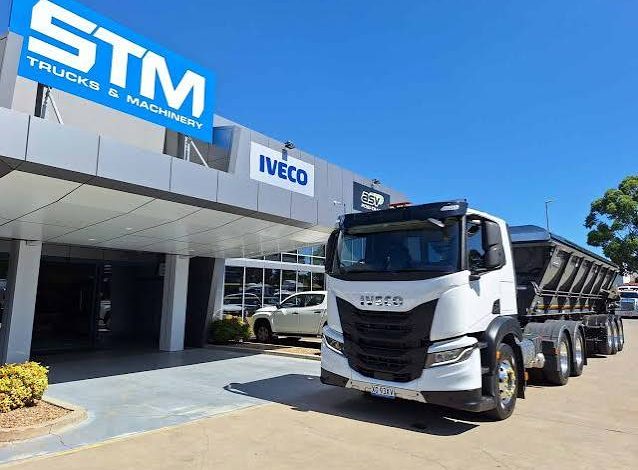
Picture this. You have just landed a contract to haul palletised freight between Perth and the Goldfields three times a week. Your old flatbed is not cutting it anymore, the load keeps shifting in transit, and you are losing hours strapping and unstrapping tarps at every stop. You know you need a new trailer truck, but the moment you start researching, you are hit with a wall of terms like GVM, tri-axle, drop deck and skeletal trailer, and every supplier seems to be pushing a different configuration as the “best” option.
This is one of the most common calls we get from operators across Western Australia. Choosing a trailer truck is not just about picking whatever looks solid on a yard. It is about matching the trailer’s build, axle configuration and load capacity to the actual freight task in front of you, while staying within the mass and dimension limits that apply on Australian roads. Get it right and you will run a more profitable, more reliable operation for years. Get it wrong and you could be stuck with a trailer that cannot carry what you need, costs you in fuel and tyres, or fails compliance checks at the worst possible time.
Quick Answer
If you only have a minute, here is the short version. The right trailer truck depends on three things: what you are hauling, how often you are hauling it, and the roads and routes you run. A flatbed or curtain sider suits general palletised freight and machinery. A tipper suits bulk materials like sand, gravel or grain. A refrigerated trailer suits perishable goods. A drop deck handles taller or oversized loads, and a skeletal trailer is built specifically for shipping containers. Beyond the trailer type, check the gross vehicle mass (GVM), tare weight, axle configuration and overall length against your typical loads and the routes you travel, because these numbers determine what you can legally and safely carry.
Quick Reference Table
| Trailer Type | Best For | Typical Payload Range |
| Flatbed | General freight, machinery, timber | 20 to 28 tonnes |
| Curtain sider | Palletised goods, mixed freight | 22 to 28 tonnes |
| Tipper | Sand, gravel, grain, bulk materials | 18 to 26 tonnes |
| Refrigerated (reefer) | Perishables, chilled and frozen goods | 18 to 24 tonnes |
| Drop deck | Tall machinery, oversized equipment | 20 to 25 tonnes |
| Skeletal | Shipping containers | Up to 30 tonnes depending on container |
Figures are general industry ranges and will vary based on specific trailer build, axle group and state based mass limits. Always confirm exact figures with the manufacturer or supplier before purchase.
Understanding Trailer Truck Types and What They Are Built For
The term trailer truck covers a broad family of equipment, and the biggest mistake buyers make is assuming one configuration suits every job. Before you compare prices or inspect stock, it pays to understand what each type is actually designed to do.
Flatbed and Curtain Sider Trailers
These are the workhorses of the Australian freight industry. A flatbed offers an open platform that makes loading and unloading machinery, timber, steel and palletised goods straightforward, particularly when you are using a side loader or crane. The trade off is that cargo is exposed to the weather and needs to be strapped and tarped correctly.
A curtain sider solves some of that exposure problem. It gives you the open side access of a flatbed for quick loading, but the retractable curtains protect the freight from rain and road grime once it is secured. For operators hauling general palletised freight across the Perth metro area or further into regional WA, a curtain sider is often the more practical choice because it balances protection with loading speed.
Tipper and Bulk Haulage Trailers
If your business moves sand, gravel, grain, scrap metal or any loose bulk material, a tipper trailer is purpose built for the job. These trailers use a hydraulic ram to lift the tray and tip the load, which dramatically cuts down unloading time compared to manually shovelling or using a separate loader. Side tippers and end tippers each suit slightly different operations, so it is worth discussing your typical unloading sites with a supplier before deciding which configuration fits best.
Refrigerated Trailers for Perishable Freight
Businesses in food distribution, produce supply or pharmaceuticals need a refrigerated trailer, often called a reefer. These trailers are fitted with insulated panels and a dedicated refrigeration unit to maintain a consistent temperature range throughout transit. If you are moving anything temperature sensitive, cutting corners here is not an option, since a single breakdown in the cold chain can mean a total loss of stock.
Drop Deck and Skeletal Trailers for Specialised Loads
A drop deck trailer lowers part of the deck closer to the road, which allows you to carry taller machinery or equipment without exceeding legal height limits. This makes it a common choice for earthmoving contractors and equipment hire businesses.
Skeletal trailers, on the other hand, are stripped back frames designed specifically to lock onto shipping containers. If your business works closely with import and export freight moving through Fremantle port, a skeletal trailer is often the most efficient and cost effective option because it is lighter than a flatbed and purpose built for container transport.
How to Match Semi Trailer Truck Specifications to Your Freight Task
Once you have narrowed down the trailer type, the next step is getting the specifications right. A trailer truck that is the wrong size or mass rating for your freight will either leave payload on the table or put you at risk of breaching mass limits.
Start with your typical load weight. If you regularly haul close to the legal maximum, you want a trailer with a tare weight (the weight of the trailer itself when empty) that is as low as practical for its build, because every kilogram of tare weight is a kilogram less of paying freight you can carry. Lightweight alloy constructions cost more upfront but often pay for themselves in extra payload capacity over the life of the trailer.
Next, consider axle configuration. Tri-axle trailers spread weight across three axle groups, which generally allows for higher mass ratings and more stable handling, particularly on long haul routes. Tandem axle configurations are lighter and can suit shorter routes or lighter freight tasks where maximising payload is less critical than manoeuvrability.
Finally, think about length and height restrictions on the routes you actually travel. Some regional roads, bridges and loading docks have specific height or length restrictions, and it is far better to check this before you buy than to discover it the hard way on your first run.
Why the Right Trailer Truck Matters More Than Most Operators Realise
It is easy to think of a trailer as the simple half of the truck and trailer combination, with all the complexity sitting in the prime mover. In practice, the trailer often has just as much influence over your profitability as the truck pulling it. The trailer determines how much freight you can legally carry, how quickly you can load and unload, how much fuel you burn per kilometre, and how much unplanned downtime you face from mechanical issues.
Operators who treat trailer selection as an afterthought often end up compensating for it in other parts of the business, running extra trips to make up for lost payload, paying overtime for slow manual unloading, or absorbing the cost of breakdowns that a better matched trailer would have avoided. None of this shows up as a single obvious expense, which is exactly why it is so often overlooked. It shows up gradually, in slightly thinner margins across every job, until an operator sits down and works out what a poorly matched trailer has actually cost them over a year.
This is also why speaking with an experienced supplier before you buy is worth the time. A good conversation about your freight task, your routes and your growth plans will usually surface options you had not considered, and can save you from a purchase that looks fine on paper but does not hold up in daily use.
How Route and Terrain Affect Your Trailer Truck Choice
Freight businesses in Western Australia face a wider mix of conditions than operators in many other parts of the country. You might be running metro deliveries around Perth one week and hauling freight up through the Pilbara or across to the Goldfields the next. The trailer that handles smooth metro roads with ease is not necessarily the trailer you want on long stretches of unsealed or heavily corrugated regional road.
For long haul regional work, look for a trailer with a robust suspension system and a chassis built to handle sustained vibration and load shifting over rough surfaces. Air suspension tends to offer a smoother ride and more consistent handling than older leaf spring setups, which matters both for the longevity of the trailer and for keeping fragile or stacked freight secure.
For metro and short haul work, manoeuvrability and loading speed often matter more than raw ruggedness. A shorter wheelbase or tandem axle configuration can make tight city deliveries and dock access considerably easier, even if it means slightly less payload capacity than a full tri-axle setup.
If your business runs a genuinely mixed freight task, covering both city deliveries and longer regional runs, it may be worth considering two different trailer configurations within your fleet rather than trying to find one trailer that does everything adequately but nothing particularly well.
Safety Features Worth Looking For in a Modern Trailer Truck
Trailer technology has moved on considerably over the past decade, and it is worth knowing what features are now considered standard on quality builds versus what is still an optional extra.
Electronic braking systems, often paired with anti-lock braking, have become far more common across semi-trailer builds and significantly improve stability during sudden braking, particularly when a trailer is heavily loaded. Roll stability support is another feature worth asking about, since it helps reduce the risk of rollover on tight corners or uneven surfaces, which is a genuine risk for taller or top heavy loads like drop deck freight or stacked machinery.
LED lighting has largely replaced older incandescent setups on new trailers, improving visibility for other road users and reducing maintenance costs over time since LED units simply last longer. If you are inspecting a used trailer, check the condition of the lighting and wiring harness carefully, since this is one of the more common wear points on older stock.
Load restraint points and tie down rated anchor points are another area worth checking closely. A trailer with well placed, properly rated restraint points makes it considerably easier to secure freight correctly and reduces the risk of load shift during transit, which protects both your cargo and other road users.
New Versus Used Trailer Trucks: Weighing Up the Investment
Buying new gives you the latest safety features, full warranty coverage and a trailer built to current standards without any wear and tear to inspect. It is the lower risk option, but it comes at a higher upfront cost.
Buying a used trailer truck can be a smart move if you are managing cash flow carefully or testing a new freight lane before committing to new equipment. The key is a thorough inspection. Check the chassis for cracking or rust, inspect the suspension and axle components, confirm the brakes and electrical systems are in good working order, and ask for service history wherever possible. A reputable dealer will be transparent about the trailer’s condition and usage history, and will not pressure you into a purchase before you have had the chance to inspect it properly.
Financing and Total Cost of Ownership
Whether you buy new or used, it is worth looking beyond the purchase price. Registration costs, tyre wear, servicing intervals and resale value all contribute to the real cost of owning a trailer truck over its working life. A slightly more expensive trailer with lower running costs and stronger resale value can often work out cheaper across five or ten years than the cheapest option on the yard.
Questions to Ask Before You Buy a Trailer Truck
A short, focused conversation with a supplier before you commit to a purchase can save a great deal of trouble later. It is worth asking about the trailer’s tare weight and how that compares to similar builds on the market, since lighter construction directly increases your usable payload. Ask about the warranty coverage on the chassis, suspension and any fitted equipment, and whether servicing and parts are readily available locally, since a trailer that requires parts shipped from overseas can mean lengthy downtime if something needs replacing.
It is also worth asking how the trailer has been used previously if you are buying second hand, including the typical freight it carried and the routes it ran. A trailer that has spent its life on smooth metro roads carrying light palletised freight will generally be in better condition than one that has spent years on unsealed regional roads hauling bulk materials near its maximum rated mass, even if both trailers show a similar number of years in service.
Finally, ask about resale value and how this particular build and brand has historically held its value. This matters more than many buyers expect, since a trailer with strong resale value effectively reduces your total cost of ownership even if the upfront price is slightly higher than a cheaper alternative.
Common Mistakes Operators Make When Choosing a Trailer Truck
A few mistakes come up again and again when businesses are buying trailers. The first is buying based on price alone, without considering whether the trailer’s build and axle configuration actually suit the freight task. The second is ignoring tare weight, which quietly eats into payload capacity over the life of the trailer. The third is skipping a proper inspection on used stock, which can lead to unexpected repair costs down the track. And the fourth is failing to plan for future growth, buying a trailer that fits today’s workload but leaves no room to scale as the business grows.
A few mistakes come up again and again when businesses are buying trailers. The first is buying based on price alone, without considering whether the trailer’s build and axle configuration actually suit the freight task. The second is ignoring tare weight, which quietly eats into payload capacity over the life of the trailer. The third is skipping a proper inspection on used stock, which can lead to unexpected repair costs down the track. And the fourth is failing to plan for future growth, buying a trailer that fits today’s workload but leaves no room to scale as the business grows.
Checklist Before You Buy a Trailer Truck
Before signing anything, run through this list:
- Confirm the trailer type matches your actual freight task, not just what looks good on the lot
- Check the GVM, tare weight and payload capacity against your typical loads
- Review axle configuration against the routes and distances you run
- Inspect for structural wear if buying used, including chassis, suspension and brakes
- Confirm registration, compliance plates and service history are all in order
- Factor in total cost of ownership, not just the upfront price
- Ask about warranty coverage and after sales support
Final Word
Looking for a trailer truck for your next project? Choosing the right one comes down to understanding your freight task, getting the specifications right, and weighing up new versus used based on your business needs and budget. Taking the time to get this right now will save you money, time and headaches for years to come.
Frequently Asked Questions
1. What is the difference between a semi-trailer and a full trailer?
A semi-trailer relies on the towing truck to support part of its weight through a fifth wheel coupling, while a full trailer carries its own weight entirely on its own axles and is towed via a drawbar. Most commercial freight operations in Australia use semi-trailer configurations because of their stability and manoeuvrability.
2. How long does a trailer truck typically last?
With regular maintenance and proper use, a well built trailer truck can last fifteen to twenty years or more. Lifespan depends heavily on how the trailer is used, the loads it carries and how consistently it is serviced.
3. Do I need a special licence to tow a trailer truck?
Yes, operating a heavy combination vehicle in Australia requires the appropriate heavy vehicle licence class, which depends on the gross combination mass of the truck and trailer together. It is worth checking current licensing requirements with your state transport authority before purchasing.
4. Can I convert a trailer from one use to another, such as flatbed to curtain sider?
In some cases a flatbed can be fitted with a curtain sider kit, but this depends on the trailer’s original build and structural capacity. It is best to discuss this with a qualified trailer fitter or the manufacturer before assuming a conversion is possible.
5. What is the difference between tare weight and GVM?
Tare weight is the weight of the trailer when it is completely empty. Gross vehicle mass, or GVM, is the maximum total weight the trailer is rated to carry, including its own tare weight plus the load. Subtracting tare weight from GVM gives you the maximum payload capacity.
This article is general information only and does not constitute professional transport, legal or financial advice. Mass limits, licensing requirements and regulations vary by state and are subject to change. Always confirm current requirements with the National Heavy Vehicle Regulator or your state transport authority, and seek independent advice specific to your business circumstances.